
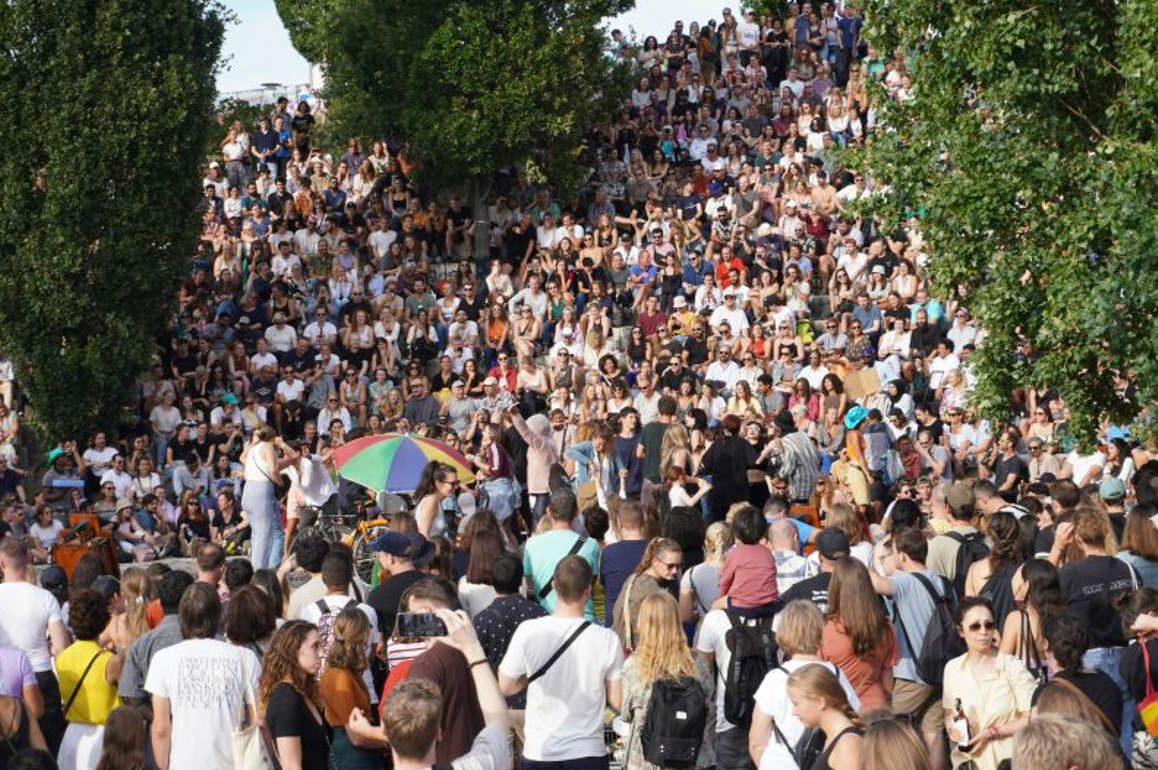
Overtourism has evolved into a broader economic, social, and strategic challenge, particularly for countries such as Greece. Over the past decades, tourism has assumed an increasingly dominant role within the Greek economy, while productive sectors such as agriculture and manufacturing have gradually lost competitiveness and investment. What was once viewed as a development success story is now revealing deeper structural vulnerabilities within the country’s economic model.
Greece remains an attractive and comparatively affordable destination for international visitors, supported by infrastructure investment, strong global visibility, and rising costs across competing Mediterranean markets. At the same time, this success has intensified economic concentration around tourism and real estate, reinforcing a model heavily dependent on seasonal demand rather than long-term productive resilience. The recent performance of both the Greek and broader Southern European economies reflects this dynamic, while also highlighting the risks associated with overdependence on sectors vulnerable to seasonality and external disruptions.
The consequences are becoming increasingly visible. Local economies often operate within a narrow seasonal cycle, alternating between overcrowding and inactivity. Housing affordability continues to decline, public infrastructure and essential services face growing pressure, and labor markets remain characterized by low-paid and insecure seasonal employment despite persistent workforce shortages.
Within this context, overtourism should not be understood simply as an issue of visitor numbers, but as a reflection of an imbalanced development model. For this reason, the strategic diversification of tourism activity becomes increasingly important across longer seasonal periods, wider geographic distribution, and a broader range of experiences including sports tourism, gastronomy, culture, nature, and authentic local engagement. Sustainable tourism is not about limiting growth. It is about restoring balance between visitors and residents, between economic expansion and quality of life, and between short-term profitability and long-term resilience.